ByJohn A
Artificial Intelligence in Video Editing
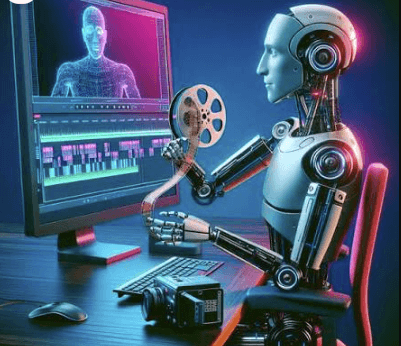
Artificial intelligence in video editing combines automated analysis, decision-making, and generation to streamline workflows. It assesses footage quality, allocates resources, and offers edit suggestions for rapid scenario testing. The approach enables data-driven budgeting, precise color grading, and reproducible processes. Governance and transparency address bias, privacy, and provenance to maintain trustworthy pipelines. As teams pursue scalable, auditable methods, the balance between automation and creative control becomes a focal point for ongoing optimization and risk management.
Artificial Intelligence in Video Editing
Artificial intelligence (AI) in video editing integrates automated analysis, decision-making, and generation to streamline production workflows. It assesses footage quality, allocates resources, and suggests edits, enabling teams to test scenarios rapidly. The approach supports creative budgeting and precise color grading, aligning technical rigor with artistic intent. Detached evaluation ensures consistency, scalability, and data-driven improvements across multi-project pipelines. Freedom manifests through optimized, repeatable processes.
How AI Is Transforming Video Editing Workflow
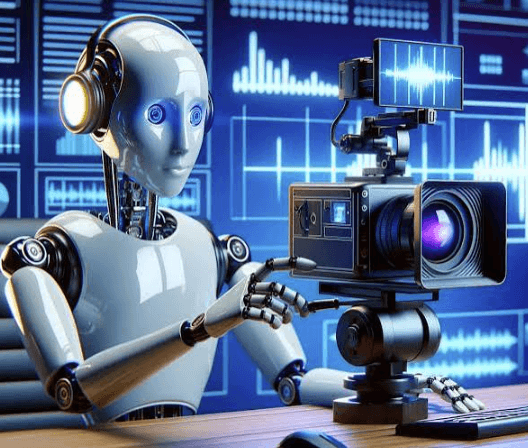
The integration of AI into the video editing workflow reshapes how footage is processed, analyzed, and assembled, enabling automated scoring of shot quality, content relevance, and timing.
The approach emphasizes reproducible pipelines, metadata-driven decisions, and audit trails.
However, privacy concerns and bias in algorithms require transparent data handling, rigorous validation, and ongoing monitoring to ensure fair, reliable, and freedom-conscious creative outcomes.
AI-Powered Tools for Video Editing
Consider budget considerations and licensing pitfalls, as dependency risks and model provenance influence reproducibility, cost clarity, and long-term project viability in data-driven production pipelines.
The Future of AI in Video Editing
As automation broadens the scope of preprocessing and rough assembly established by AI-powered tools, the future of video editing will hinge on systematized intelligence that anticipates creative intent while maintaining verifiable provenance.
This trajectory emphasizes ethical governance, robust audit trails, and transparent model stewardship, enabling reproducible results.
Bias mitigation remains central to trusted workflows, preserving freedom through accountable, data-driven authoring and collaborative, autonomous systems.
See also: How Artificial Intelligence Is Transforming Everyday Technology
Frequently Asked Questions
How Does AI Handle Color Grading for Complex Scenes?
AI systems approach color grading by analyzing scene complexity, extracting luminance and color histograms, then applying adaptive LUTs and machine-learned constraints; results are consistent yet nuanced, balancing artistic intent with data-driven accuracy across dynamic lighting conditions.
Can AI Replace Human Editors Entirely in Workflows?
AI cannot wholly replace human editors; workflows benefit from collaboration, with automation handling repetition and consistency while humans provide narrative nuance and strategic decision-making. Can AI draft narration, AI automate transitions, yet creativity remains distinctly human-driven.
What Are Privacy Concerns With AI Video Processing?
Privacy concerns with ai video processing: privacy rights clash with data harvesting, tracking consent ambiguity, and biometric identification risks; exaggerations overwhelm cautious data governance, while technical compliance frameworks, transparency, and user autonomy guide data-driven, freedom-respecting protections.
How Steep Is the Learning Curve for AI Editing Tools?
The learning curve for AI editing tools varies, but tends toward a moderate incline; beginner friendly interfaces exist, with guided templates and presets, while advanced features reward deliberate experimentation, data-driven tweaks, and iterative testing for creative, freedom-oriented workflows.
Do AI Tools Support Multi-Language or Multilingual Projects?
Yes, AI tools support multilingual workflows with language aware tools; they enable cross-language synchronization while preserving timing, tone, and metadata, contrasting automated translation with human nuance, and empowering creative freedom through data-driven, adaptable editorial pipelines.
Conclusion
In the edit suite, AI acts as a quiet compass, its needle tracing pixels like stars guiding the night crew. Data threads weave into color maps, budgets, and timelines, each knot a decision illuminated by transparent provenance. Algorithms hum as metronomes, syncing shots into harmony while metrics flash as lighthouses—warnings or wonders. The final cut emerges as a prism: intent refracted into verifiable, scalable clarity, where creativity and governance share the same axis, steady and bright.